Types of Demolition Equipment
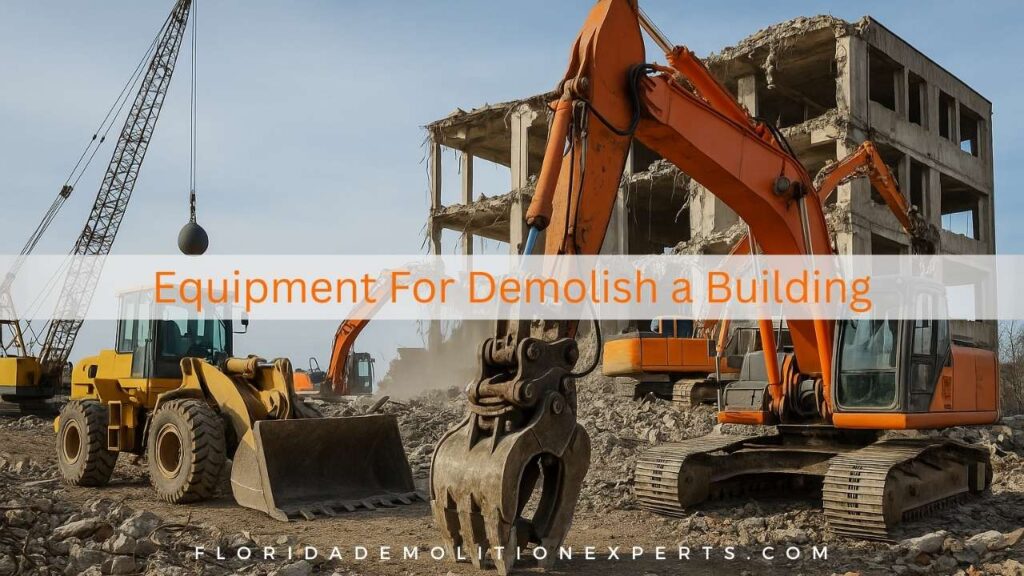
Demolishing structures requires a diverse range of specialized equipment designed to handle different materials and scales of projects. From heavy-duty excavators equipped with specialized attachments to smaller, more agile tools for intricate work, the selection of machinery is critical for efficiency and safety. Understanding these tools helps in appreciating the complexity and expertise involved in professional demolition.
Key equipment includes hydraulic excavators, which can be fitted with hydraulic hammers, shears, or pulverizers for breaking down concrete and steel. Track loaders and skid-steer loaders are versatile for material handling and site cleanup. For larger projects, wrecking balls and high-reach excavators are employed. Smaller tools like jackhammers, concrete saws, and even hand tools are essential for precise dismantling and debris removal.
Residential Demolition Equipment
Residential demolition projects, while often smaller in scale than commercial ones, still necessitate specialized equipment to ensure safety and minimize disruption to surrounding areas. The focus is on controlled dismantling and efficient removal of building materials. The choice of equipment depends on the size and construction of the home, as well as local regulations.
For typical residential demolitions, excavators with various attachments like buckets and grapples are common for tearing down walls and clearing debris. Concrete saws and diamond wire saws are used for precise cutting of foundations and structural elements. Smaller tools such as jackhammers and reciprocating saws are indispensable for manual dismantling of interior structures and fixtures. Skid-steer loaders are frequently used for hauling away rubble and preparing the site for its next phase.
Commercial Demolition Equipment
Commercial demolition involves the dismantling of larger and more complex structures, including office buildings, industrial facilities, and retail spaces. This requires robust, heavy-duty equipment capable of handling significant structural loads and extensive material volumes. Safety protocols and environmental considerations are paramount in these operations.
High-reach excavators are a staple for safely bringing down multi-story buildings, equipped with specialized demolition grapples, shears, and pulverizers to break down steel and concrete. Mobile crushers and screeners are often brought to the site to process debris, reducing transport costs and enabling material recycling. For structures with extensive steel frameworks, dedicated steel shears mounted on excavators are used for efficient dismantling. Environmental considerations may also dictate the use of dust suppression systems and specialized equipment for hazardous material removal.
Specialized Demolition Attachments
Beyond the core machinery, a variety of specialized attachments dramatically enhance the capabilities of demolition equipment, allowing for precise and efficient handling of different materials. These attachments are crucial for adapting heavy machinery to the specific demands of each demolition task, ensuring optimal performance and safety.
Hydraulic hammers, also known as breakers, are vital for pulverizing concrete and rock. Hydraulic shears are designed to cut through steel beams and rebar with immense force. Pulverizers, often used in a two-stage process with a primary crusher, are effective for breaking down concrete structures. Grapples and magnets are essential for material handling, sorting, and loading debris. Diamond wire saws provide a precise cutting solution for reinforced concrete and steel, ideal for intricate dismantling or when vibration needs to be minimized.